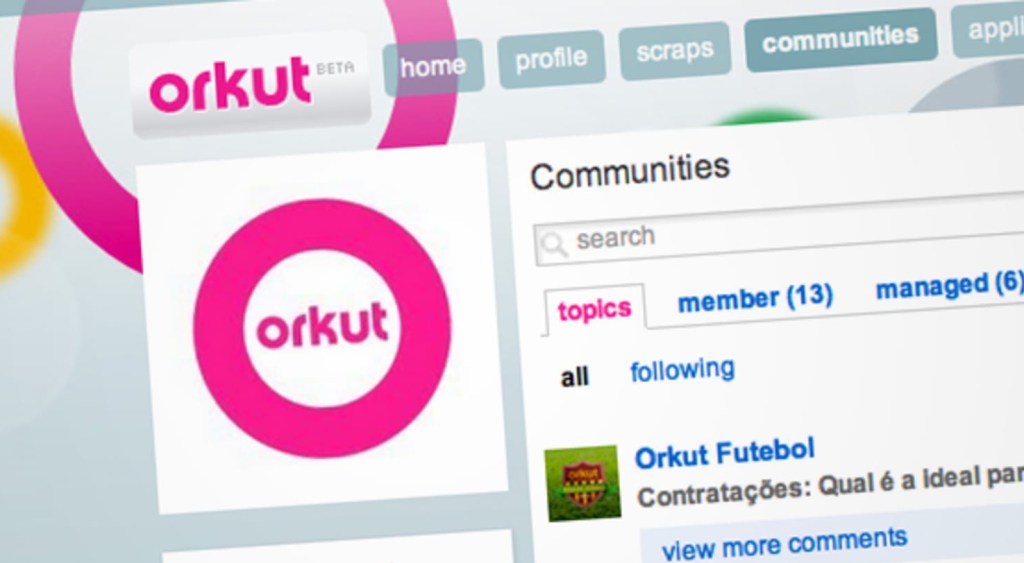
What began as a good idea ended in failure. In 2004, Google launched Orkut, a social media networking site to find communities through keyword searches, including titles, descriptions, and browning through users’ memberships. Launching only a month before Facebook did, Orkut never really caught on with the digital world outside Brazil. Due to Brazil becoming the biggest player in the market for Orkut, operations moved to Brazil in 2008. By 2012, Orkut reached over 32 million users in Brazil and was ahead of Facebook but only for a moment. Facebook caught up only six months later and has become the dominant social media platform ever since. It was the beginning of the end for Orkut. Eventually, in 2014, Google shut down Orkut for good to focus on its more successful platforms like YouTube.
Marketing Plan
A social media strategy is only a piece of the overall marketing plan. Within a social media strategy, it is important to incorporate the design framework action plan. Orkut was successful in executing its goals and providing a platform for its target audience. The goal of Orkut was to provide its users with a tool to help them find communities. Orkut aimed to connect people and that was what its users were interested in. It attracted users who wanted to be a part of Orkut’s elite community of technology workers and students. Orkut had a member invite-only list that was very prestige and meant that the user was a part of a well-connected technology realm. However, Orkut fell short in utilizing the policies and monitoring components in the design framework. When users complained that Orkut did not have what they wanted, Orkut did not utilize the proper policies and community management to address this in real time. Orkut failed to monitor its social media platform and did not listen to its users on what they wanted within the platform which caused them to eventually leave for good. Eventually, this led to Orkut not knowing its target audience and what their needs were.
Changing Role of the Digital Consumer
Not only is the digital world constantly evolving and growing, but so are digital consumers. Social media platforms need to evolve and grow with the change in the market and its consumers to stay relevant and current. If a social media platform does not change with the market, it will be left behind. Orkut is a prime example of this. Orkut’s failure to keep up with the changing market caused the social media platform to stop meeting the needs of its target audience. Therefore, users left Orkut to find a social media platform that was constantly evolving and met their needs.
Brand Experience
90% of Orkut’s page views were from Brazilian users. Over a decade ago, Brazil was one of the top five largest online markets in the world and held a high affinity for social media. However, they are no longer in the top largest online markets today. Back in 2013, Brazilian social media users were spending 36% of their time on social media. Today, Brazilian social media users spend almost four hours a day on social media, which makes Brazil the second highest country in the world that spends the most time on social media daily. Orkut met the needs and wants of its Brazilian users but not for long. Brazilians are looking for opportunities to blog, engage through social gaming, and use videos. Orkut’s functionality made it difficult for users to load and share pictures, and it limited the number of friends a user could have. Towards the end, Orkut was not providing the brand experiences its users were looking for. It is vital for companies that are available intentionally to do their homework and know what each country and culture is looking for and what their needs are to be successful. Every country and culture is unique and needs to be treated differently otherwise the company will not survive in the different markets.
Final Thoughts
Orkut was fighting a losing battle before it even began and it did not even know it. It had a good fight but in the end, Facebook dominated the market. Orkut did not keep up with the rapidly evolving market, it did not give its users what they needed, and even though it was user-friendly at first, over time the functionality of the social media platform became difficult to use. All these factors led to the inevitable shutdown of Orkut. Despite the failure of Orkut, founder Orkut Büyükkökten is optimistic that Orkut could make a comeback one day.
What do you think? Should Orkut try to make a comeback or is it better to leave the disaster social media platform in the past? Please share your thoughts in the comments!





 Book Bites Blog
Leave a reply to Allison Wharton Cancel reply